

Workers at Africa’s biggest energy project ‘offered jobs for sex’ as soldiers paid by French energy giant committed abuses
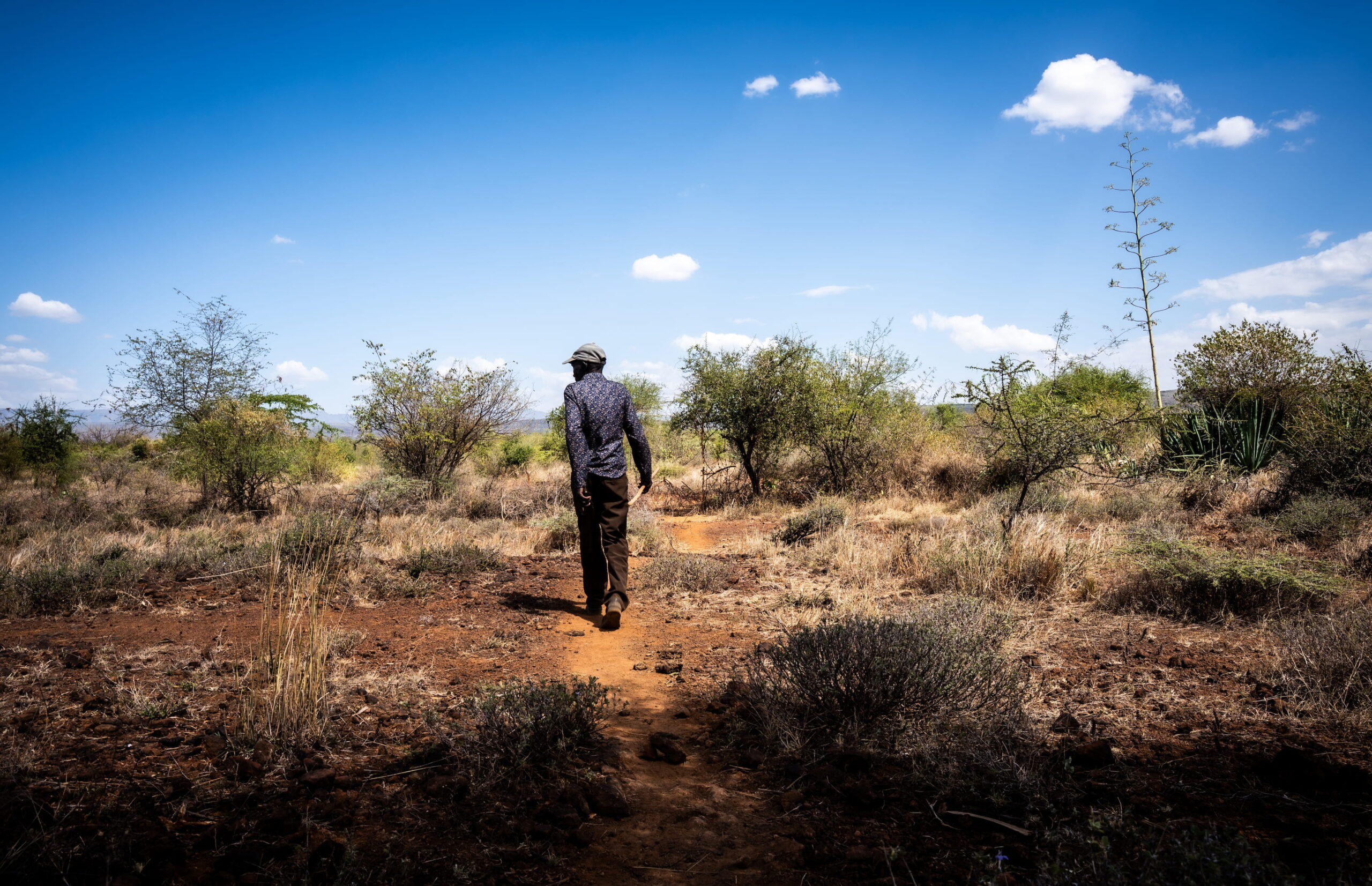
Last year, Tomazina travelled to the TotalEnergies compound near her village in northern Mozambique in search of a job.
“There were so many people,” she told SourceMaterial. But one man seemed important and promised to help. “You could see it in his uniform, in the way he dressed and his demeanour. It was clear that he had responsibilities inside the project.”
His offer came with a condition: she would need to have sex with him. In order to feed her family, she agreed. But as it turned out, she said, “he only wanted to use me”. No job materialised.
Total is drilling for gas off the coast of the war-ravaged province of Cabo Delgado. Last year the UK government cancelled a billion-dollar loan to the French energy giant’s mega-project after SourceMaterial revealed how the company paid troops to provide security—despite knowing they stood accused of rapes and killings.
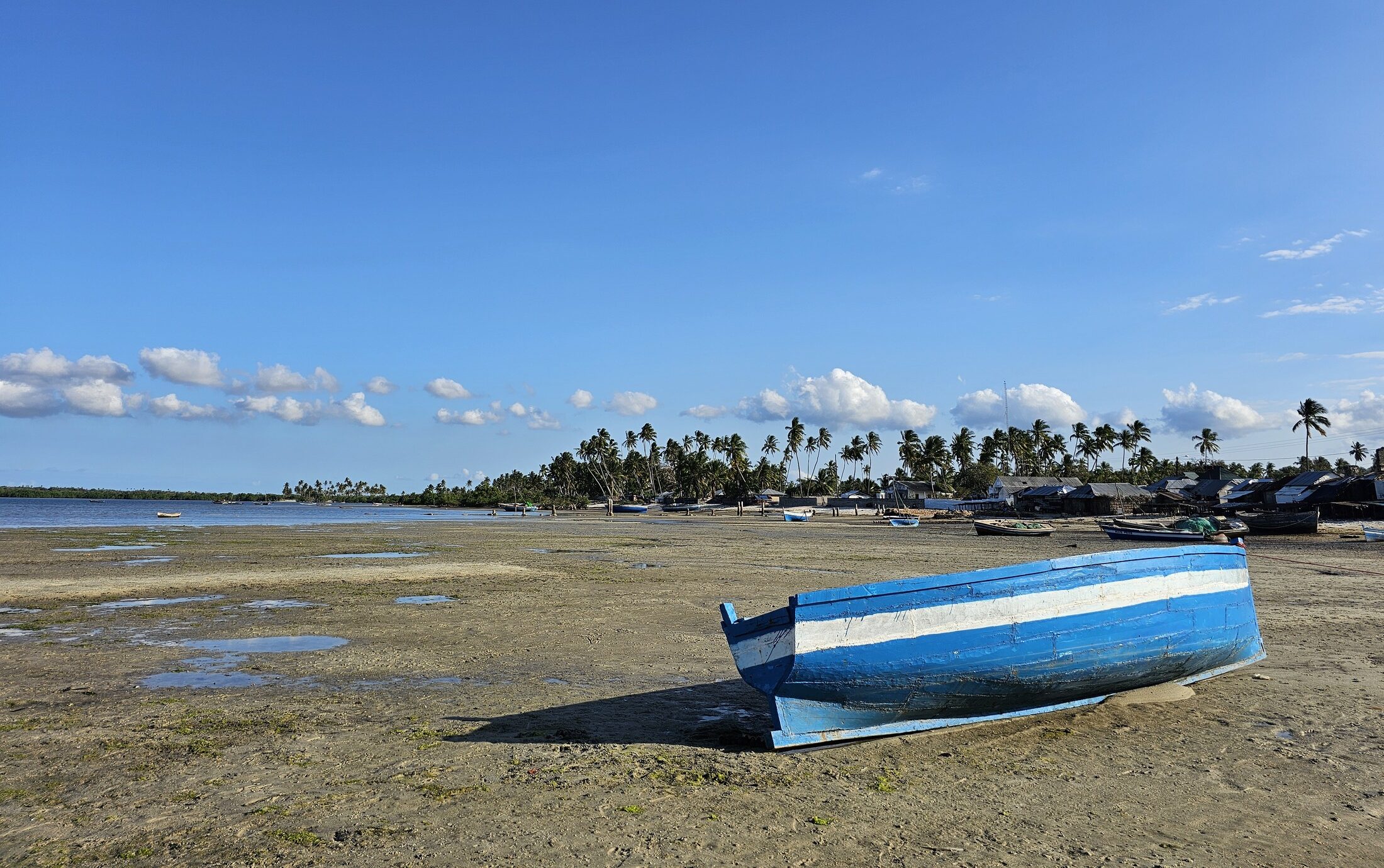
Now unpublished documents and interviews reveal the role of some workers at Total’s project in an epidemic of sexual exploitation. Palma, the fishing town neighbouring Total’s headquarters, has seen “repeated sexual exploitation and assault by businessmen”, according to an unreleased United Nations report seen by SourceMaterial.
“They tell women and girls that if they sleep with them, they will give them a job,” one interviewee told UN researchers. “Girls accept, and men say ‘the job will come soon’—but sometimes it does not even come.”
Total and its partners are reviving the $20 billion development after a four-year absence during which it paid the Mozambican army to protect its gas installations from the Islamist insurgency that has devastated Cabo Delgado since 2017.
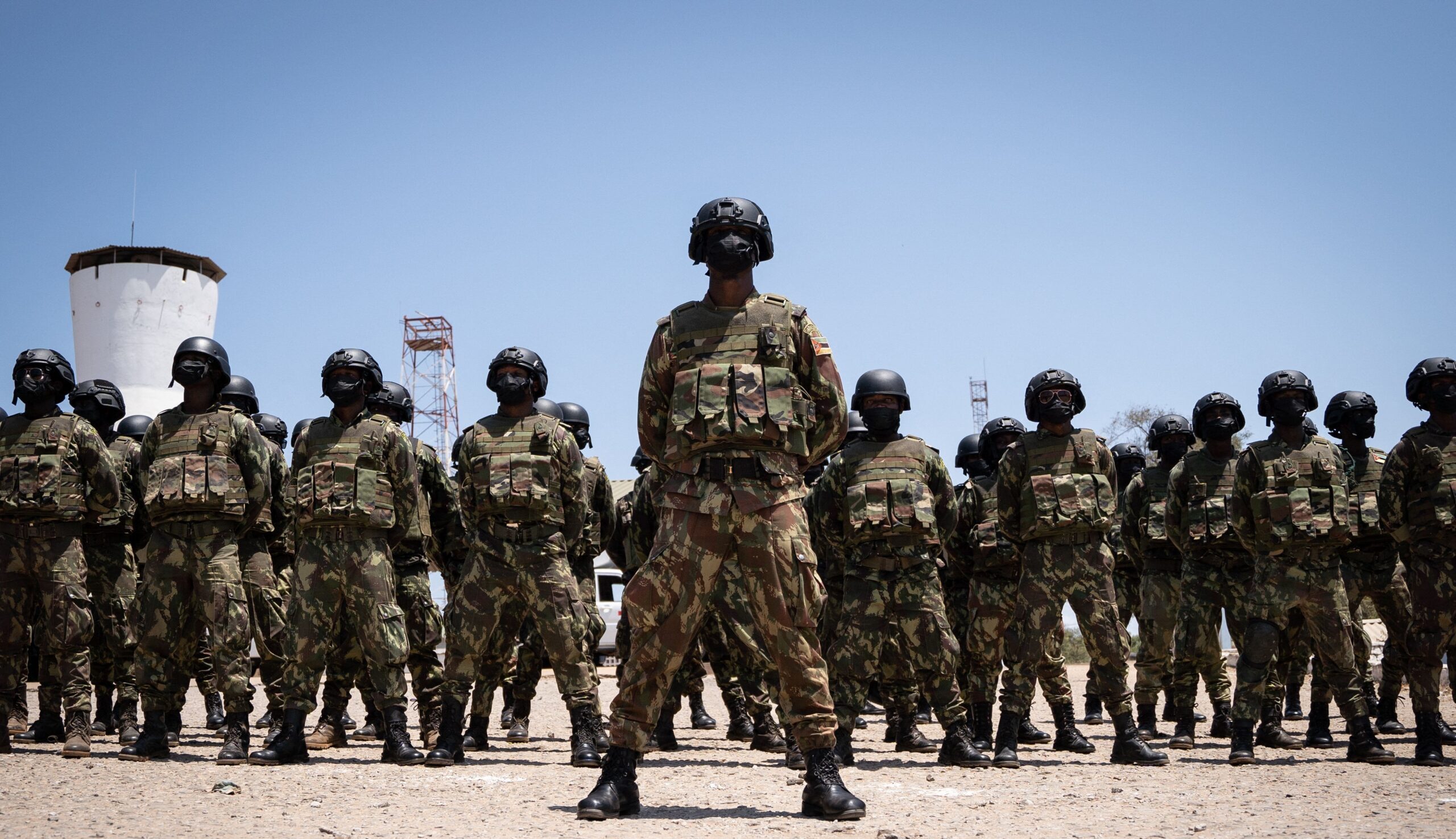
The report also details allegations of rape, transactional sex, extortion and abuse of women and girls by Mozambican soldiers stationed in the region. SourceMaterial’s November 2024 investigation drew on internal company documents and eyewitness accounts to reveal that many troops suspected of abuses were paid by Total to guard its compound.
Responding to questions from SourceMaterial, Total said it is “committed to respecting human rights throughout its activities, in alignment with internationally recognised standards” and that the company “is not aware” of any allegations of sexual exploitation against its own employees.
“Awareness-raising campaigns are regularly conducted” alongside human rights training that includes “materials on gender-based violence”, a Total spokesperson said.
Asked why the report was never made public, a UN spokeswoman said that “operational dynamics and insecurity at the time” had made it impossible to bring it to completion—though she confirmed that the document has been used internally.
‘We give ourselves away’
“He never told me his name,” said Tomazina of the man who promised her a job, saved in her phone only as “the supervisor”.
“I’ve been through it many times, with many promises,” the 25-year-old told SourceMaterial. “We end up giving ourselves away.”
More than 1.3 million people have lost their homes in Cabo Delgado during the insurgency, which has killed over 6,000 people, driving survivors into poverty and leaving them vulnerable to sexual violence and exploitation.
Meanwhile, as Total’s project brings an influx of skilled workers to Palma from across Mozambique, women from surrounding villages have also converged on the fenced compound that houses the gas project’s employees in search of jobs. Many who failed to find employment “resorted to sex work to survive”, the UN report states.
Some recruiters “ask women to pay to get the job,” one interviewee said. But few have any money to bribe them.
“The men say they can get the job if they sleep with them.”
Sudden wealth disparities like this inevitably lead to a rise in sex work, said Zenaida Machado, a researcher at Human Rights Watch who has studied gender-based violence in the region.
“During the displacement, women would sleep with men out of need,” one interviewee told the UN report’s authors. “They started sleeping with the people from Total because they had more money.”
In an interview with SourceMaterial, Mwanajuma, 27, from a village near Palma, said she had sex with a worker at a company contracted by Total. He promised her a job with the project and then disappeared.
“I’d call and call and he wouldn’t respond,” she said, explaining that after the war plunged Cabo Delgado into poverty, sex became her only means to buy flour to feed her children.
“We need to do this,” she said. “The company should be creating conditions to discuss openly and end this practice once and for all.”
Total’s spokesperson, said that the company takes any allegation of abuse and exploitation by its employees “very seriously”.
“We have reviewed the grievances lodged in the project grievance mechanism and have no such report,” the company said in an emailed statement. “Any allegation of misconduct that is brought forward through the appropriate channels.”
Having sex to survive has left many women struggling with shame.
“I have a friend who supports me,” Tomazina said. “She tells me: don’t blame yourself because it’s a matter of survival.”
‘We could hear her yelling’
Many of the worst abuses are perpetrated by the insurgents, according to João Feijo, a researcher at the Rural Environment Observatory in Mozambique. But the UN report cites numerous instances of sexual violence by Mozambican troops protecting the region and Total’s assets.
Last year SourceMaterial reported on internal company documents showing senior Total managers knew about “sexual assaults” by security forces stationed at the project.
“In an emergency setting it’s vulnerable girls and women who suffer most,” said Nina Yengo, gender specialist at Plan International Mozambique, a children’s charity. Girls aged 14 and 15 are worst affected, she said.
“We will kill you”
The UN report describes a culture of impunity in which soldiers routinely perpetrate sexual violence “including against minors”, alongside extrajudicial killings and enforced disappearances.
“Yesterday, a military officer offered a drink to a girl who was 15-16 years old,” one witness told the UN researchers. “Then, he demanded to be paid back for the drink. As she did not have money, he forced her to have sex with him as a way of payment for the drink. There is a motel over here; we could hear her yelling and crying.”
The UN testimony mirrors interviews by SourceMaterial in the villages around Palma in 2024.
Zura, 20, passed three soldiers on her way to the market. On her way home they accosted her and dragged her into the undergrowth. They repeatedly raped her and stole her money.
“I can’t recognise them because they took off my blouse and covered my face,” she said.
She reported the assault, showing her bloodied clothes to the police, but discovered later that the soldiers had simply been redeployed to a post a few kilometres up the road—an area she now avoids.
Mariamo, 32, said a soldier violently assaulted her after refusing to pay for alcohol she had sold him—an incident described in Total’s internal reports. According to the document, she received medical support through the project and the officer’s “hardship compensation” was suspended before he was removed.
When she reported the soldier to police, he returned to threaten her, she told SourceMaterial.
“Whatever you can do, no one will imprison me,” she recalled him saying. “We will kill you.”
Total’s spokesperson said that the company has trained more than 1,500 government and private security forces in human rights principles since 2020. Total has a grievance mechanism and monitors “incidents on a case-by-case basis by alerting and communicating directly with the authorities and taking the appropriate measures”, he said.
Whatever their intentions, multinationals like Total risk becoming a catalyst for abuses if they are “funding armed forces that later commit human rights abuses”, said Kete Mirela Fumo of Justiça Ambiental, a Mozambican campaign group. “Directly or indirectly, these projects end up worsening the situation.”
If Total paid soldiers, the company should be held at least partly accountable—alongside the military—for their actions, said Yengo of Plan International.
“The responsibility has to be on both institutions,” she said.
The Mozambican defence ministry did not return a request for comment.
‘It’s not safe’
“People aren’t happy like before,” said Mwanajuma, recalling the time before the insurgency when jobs were available and there was enough to eat. “It’s not safe like it used to be.”

Girls have been increasingly sexualised during the conflict, according to the UN report. Young women in the region traditionally go through initiation rites, which can involve being beaten with a stick while jumping over a fire, that make it socially acceptable for them to have sex or get married.
But where many girls used to wait until their teens, it is becoming common to see children as young as five being initiated, according to the report.
“I had a case of a two-year-old,” one interviewee said.
One reason for the shift is that rape and sexual exploitation are so prevalent: initiating girls early can reduce the shame and bad luck a family fears if a daughter has sex or becomes pregnant.
The tidal wave of sexual violence shows that the state has “failed in its duty to protect children”, said Machado of Human Rights Watch.
With the insurgency subsiding and Total restarting its operation, more and more workers are flocking to its Afungi compound in search of employment. But that just seems to be maintaining a culture of demands for cash or sex in return for jobs—common “even now”, Mwanajuma said.
For Tomazina, the trauma will always remain.
“I’m not doing well,” she said. “You give yourself away, you give your body away. You give them everything, believing this was the time your life was going to improve. But it never does.”
Some names have been changed.
This article is part of ‘Mozambique Exposed’—an investigative project by Forbidden Stories, including Evident Media (United States), Expresso (Portugal), M28 Investigates (Rwanda), The Observers of France 24 (France), Papertrail media (Germany), RFI (France), SourceMaterial (United Kingdom), ZDF (Germany), and Zitamar News (Mozambique).
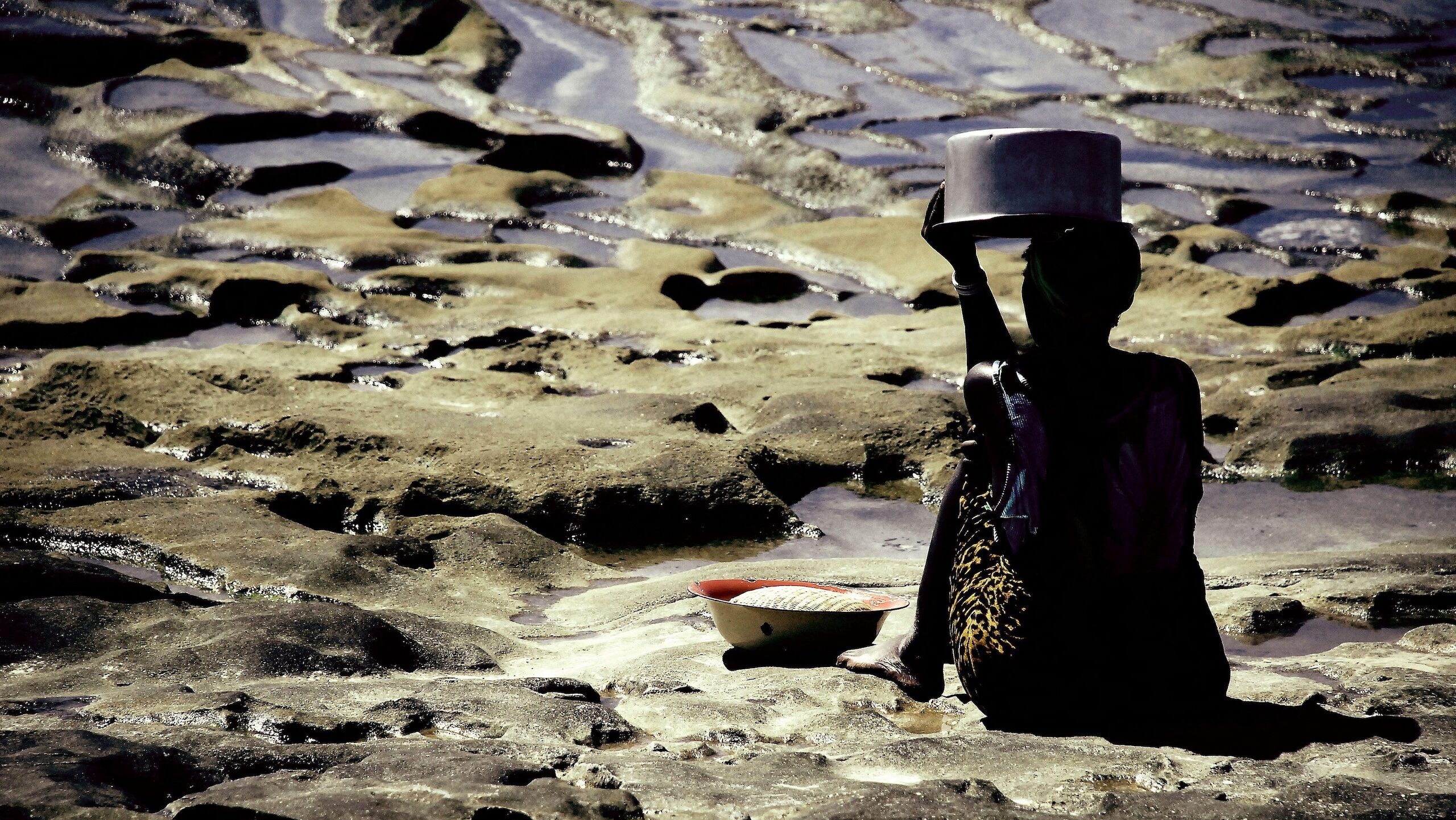
Headline picture: A woman collects bait for fishing in Cabo Delgado (Cavan Images/Alamy)