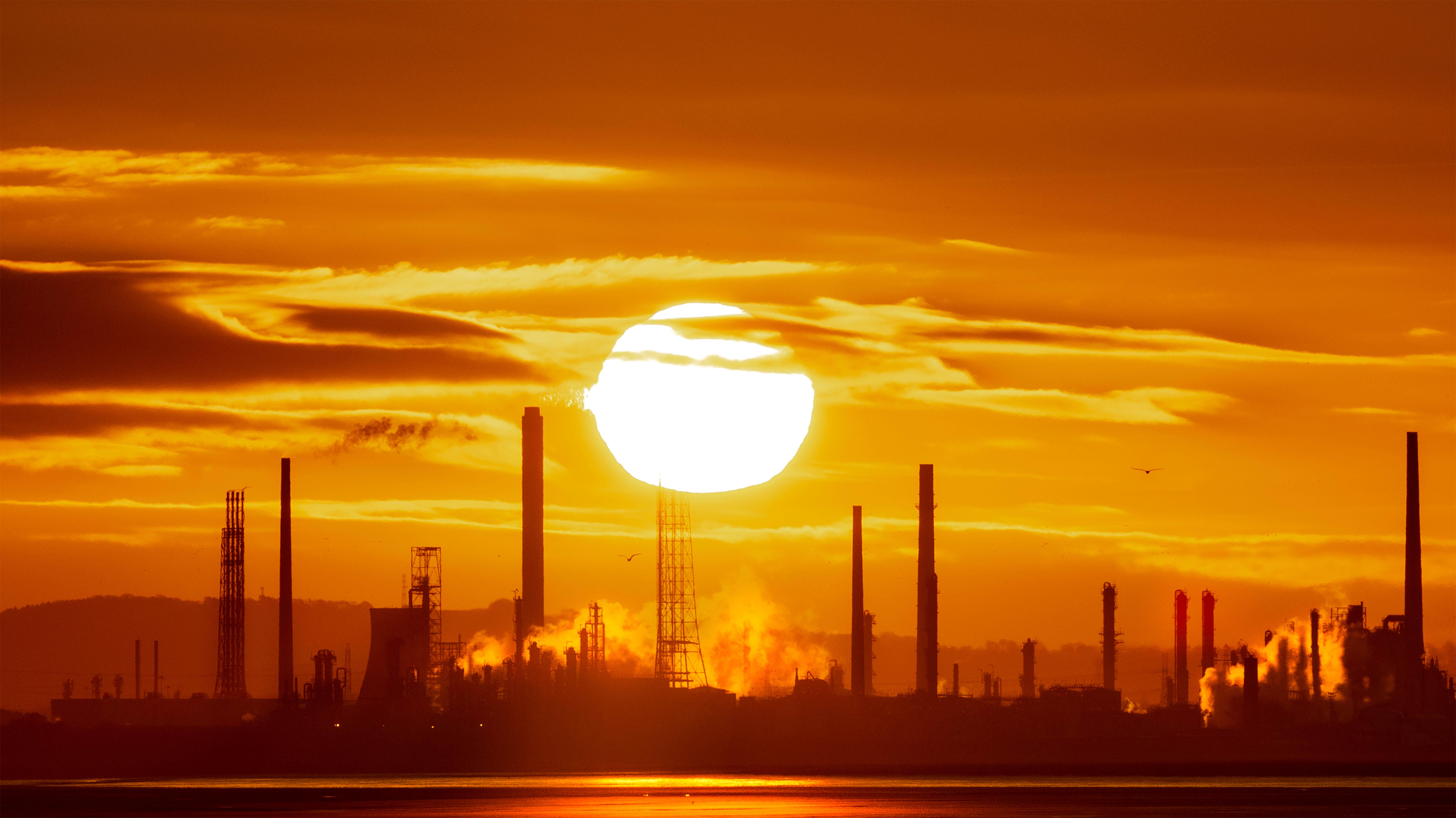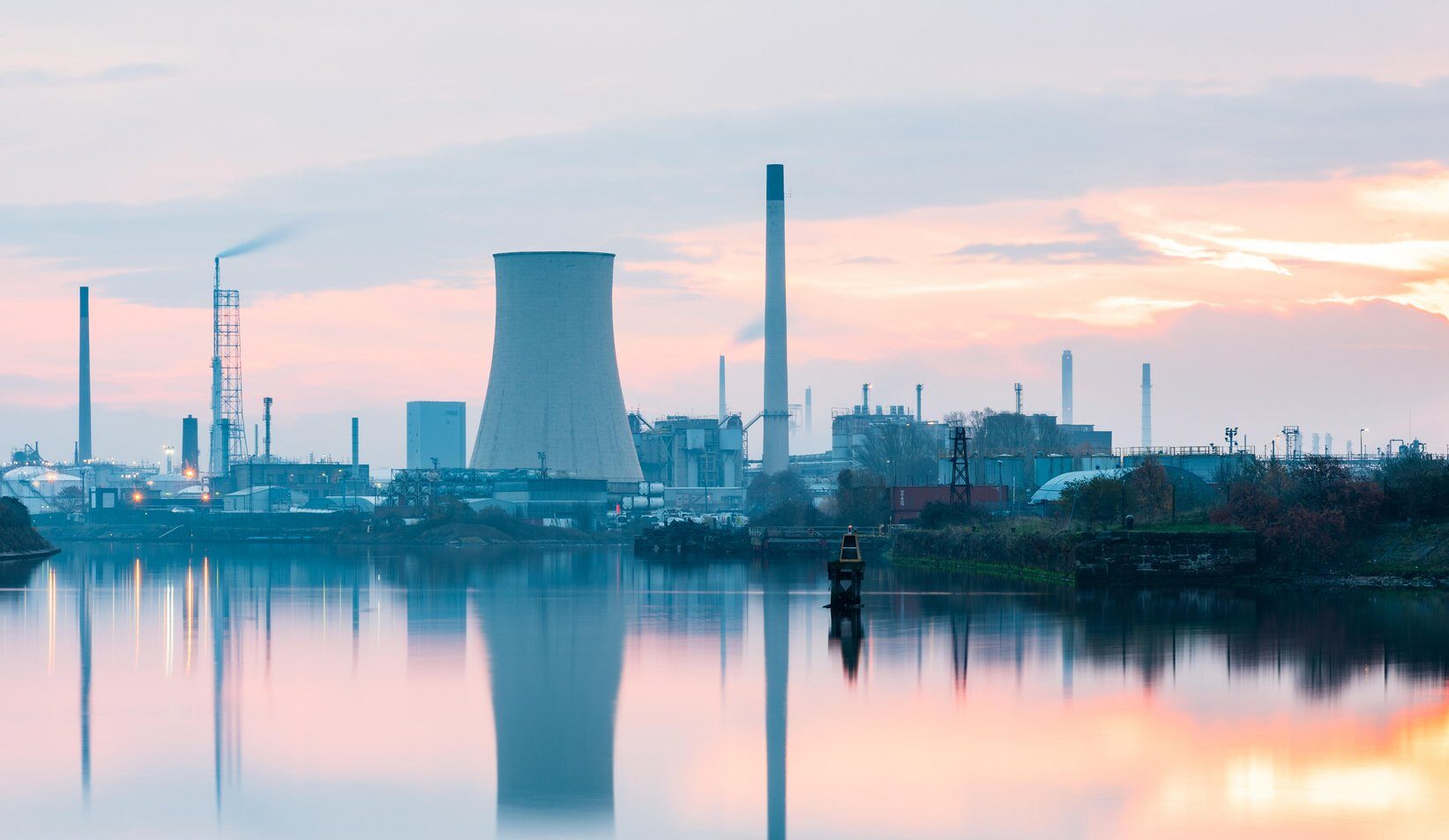


Essar’s Stanlow refinery has received millions in government handouts despite repeated ratings as one of Britain’s dirtiest industrial sites
UK authorities gave the nation’s dirtiest oil refinery a ‘no-limit’ permit that helped it avoid scrutiny for discharging oil in a protected wildlife site, a SourceMaterial investigation has found.
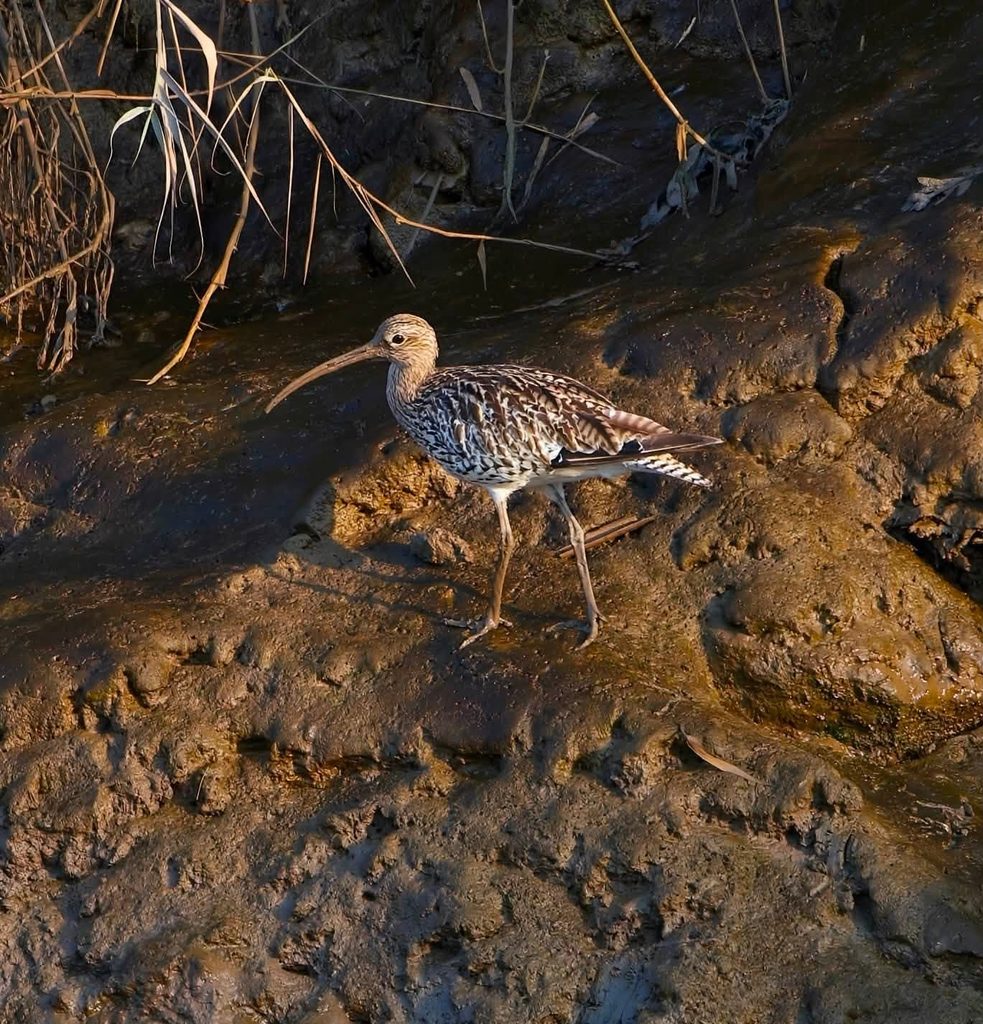
In late 2024 heavy rain overwhelmed treatment systems at Stanlow in Cheshire, and the refinery released oily wastewater into the Mersey Estuary, home to otters, dolphins and rare birds.
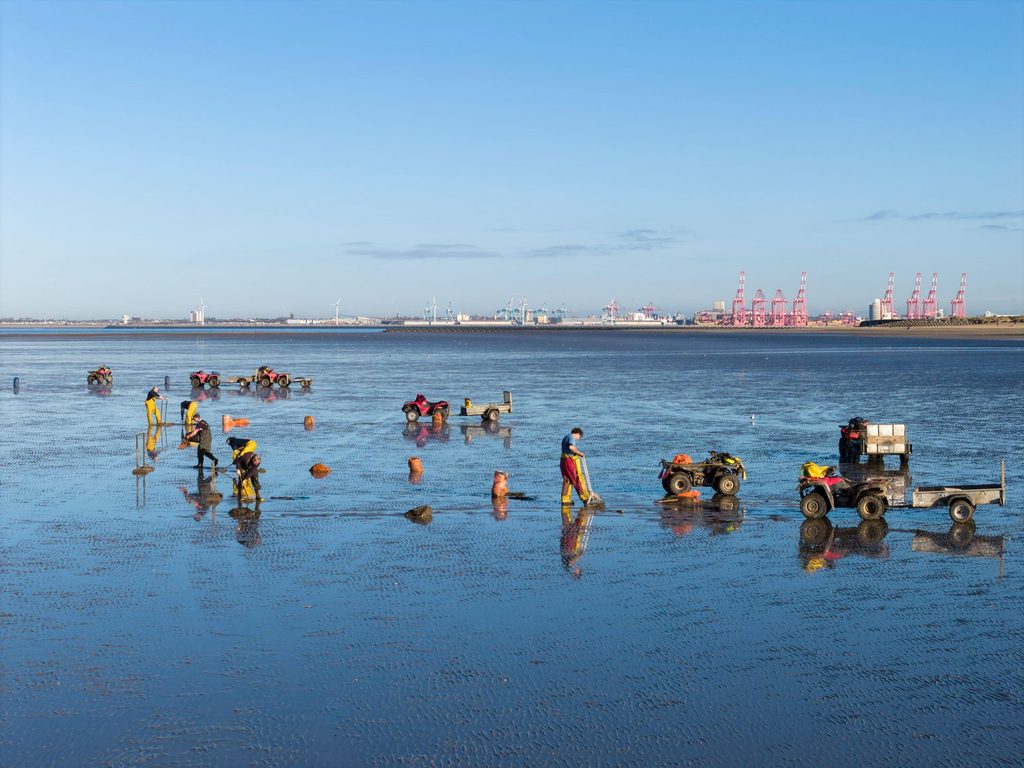
The spill, made worse by faulty equipment, forced local fishermen to keep boats in harbour and saw cockle beds closed off for weeks to avoid supplying contaminated food to supermarkets.
But Natural England, the government body charged with protecting wildlife habitats, shelved an investigation after Stanlow’s owner, the Indian conglomerate Essar, cited a permit that set “no limit” to discharges at the site.
No other UK refinery has this type of permit, which risks becoming a “blank cheque” for polluters, experts have warned.
“Regulators must close these loopholes and ensure that persistent offenders face real consequences”
Essar’s UK arm is already under pressure over pollution after pleading guilty to 500 permit breaches in and before 2022. The court case is continuing, with the next hearing set for November.
SourceMaterial’s investigation reveals that even after 2022, Stanlow has exceeded limits on toxic gases emitted into the air and oil spilled into waterways, breaching restrictions 58 times in 2023 and 2024, more than any other English refinery.
In July 2023, the Environment Agency reported that Stanlow’s spilled oil may have contaminated the groundwater.
The findings highlight “indefensible” gaps in legislation, said James Wallace, chief executive of River Action.
“Regulators must close these loopholes and ensure that persistent offenders face real consequences,” he said. “Our rivers and coastal environments cannot continue to be treated as dumping grounds.”
A spokesperson for EET Fuels, the Essar subsidiary that owns the refinery, said that Stanlow takes its environmental responsibilities “extremely seriously”, adding that Essar had taken “decisive action, investing over £24 million in major wastewater infrastructure” as part of a drive to improve efficiency and environmental performance.
Cyanide discharge
Stanlow, the UK’s second-biggest refinery, processes crude oil piped from the Tranmere Oil Terminal around 10 miles away on the Mersey.
There are 16 places where the refinery is permitted to discharge into waterways. In three of them, authorities have placed strict restrictions on what and how much can be discharged.
In 2023 and 2024, the refinery exceeded those limits, spilling oil into the River Gowy and the Manchester Ship Canal, as well as overshooting caps on cyanide and benzene pollution, Environment Agency records show.
“Sadly pollution of our waterways is an ongoing problem,” said Emily Lake of the Cheshire Wildlife Trust, which is working to restore the Gowy’s habitats for endangered species like the water vole and European eel. “These events will have had a detrimental impact on the wildlife and habitats we are working to restore and protect.”
The remaining 13 locations where the refinery discharges into water do not have specified limits. Seven are labelled “no limit set”.
Restrictions are a crucial way to “minimise environmental and human health impacts”, said Patrick Byrne, a water scientist at Liverpool John Moores University. “If the permit is just a blank cheque, that is open to abuse.”
Responding to questions from SourceMaterial, Essar’s lawyers denied that the company takes advantage of “blank-cheque” permits, saying that storm overflows are governed by a procedure agreed with the Environment Agency and that the lack of daily limits doesn’t mean they are unregulated.
‘Bottom of the list’
On 12 September 2024, heavy rain overwhelmed Stanlow’s treatment systems and oily wastewater was released into one of the seven no-limit points, at Thornton Brook. From there, oil was carried into the Mersey, where drone footage showed “a visible iridescent sheen” on the banks.
An Essar report on the incident obtained by SourceMaterial under freedom of information laws reveals the spill was made worse by “a number of items of equipment” being “out of service”.
A water treatment system at a refinery is “never going to be the system that gets the priority investment”, said a former employee at the refinery who spoke on condition of anonymity.
In the days immediately after the spill many local fishermen remained unaware of the contamination and continued to sell their catches “wholesale to people in the local area”, one of them, Kevin McKie, told SourceMaterial.
When the scale of the pollution became clear, nearby cockle beds were closed for seven weeks, while McKie and other fishermen endured more than a week of lost earnings before the Food Standards Agency declared the water safe.
Essar’s lawyers say that the company adheres strictly to its permit obligations. These include notifying regulators of any possible breach.
Polluters are required to notify the Environment Agency within 24 hours. But Essar breached rules by waiting six days to report the Thornton Brook incident, documents show.
The Environment Agency opened a criminal investigation.
Meanwhile, Natural England, a parallel regulator that oversees protected areas, launched its own inquiry. Internal emails show that the authority feared “ingestion by birds” and concluded that the spill had damaged the estuary.
While unrestricted permits allow for unlimited release of wastewater, they still specify that any discharges “shall not cause pollution”.
“‘No limit set’ does not authorise the discharge of untreated oil,” an Environment Agency spokesperson told SourceMaterial, adding that the permit doesn’t mean “environmental harm” is allowed.
“They shouldn’t be allowed to dump stuff like that”
Yet Natural England appears to have ignored this stipulation.
A few days after the incident, an Essar employee sent the regulator a screenshot of the company’s “no limit set” permit, adding a warning that “adverse weather conditions mean that there could be further storm overflows”.
“I have verified with the Environment Agency that the oil release was lawfully covered by their permit and that there is no set limit to the oil released,” a Natural England official responded, confirming that the body would take no further action.
A spokesperson for Natural England did not respond to specific questions about the no-limit permit, saying that the agency abandoned its investigation because the environmental impact on the site “was minor and an appropriate course of action to allow the small amount of hydrocarbons to break down naturally was agreed”.
Almost two years later, the Environment Agency’s investigation is continuing, and Essar has faced no sanction for the spill, one of 12 from Stanlow that year.
“They shouldn’t be allowed to dump stuff like that,” said McKie, the Mersey fisherman. “You’ve got porpoises and dolphins going up the Mersey.”
‘Pattern of behaviour’
Stanlow’s repeated infringements make it England’s dirtiest refinery and one of the country’s biggest polluters, data shows.
In March, Essar pleaded guilty at Chester Magistrates’ Court to charges of breaking environmental rules.
Stanlow, which Essar says produces 18 per cent of the UK’s road transport fuel, was the only refinery to receive the Environment Agency’s lowest F rating for compliance in 2023.
That rose to an E in 2024 but Stanlow remained the dirtiest English refinery alongside Lindsey in North Lincolnshire, which fell into administration and was sold the following year.
The Environment Agency has graded Stanlow E or F every year since 2018. Of the 14,139 industrial facilities in England with permits from the agency, only two others have a record as bad.
“This isn’t a one-off failure, it’s a pattern of behaviour”
Essar said in a statement that the company had delivered “a measurable, upward trend in Environment Agency compliance ratings, improving from an F rating in 2023 to an E rating in 2024 as major capital projects came online”.
Stanlow “is executing a multi-billion-pound capital transformation, including pioneering hydrogen production and industrial fuel switching” and “remains fully focused on delivering reliable energy to the UK while establishing a world-class benchmark for sustainable industrial manufacturing”.
Stanlow’s low ratings have not prevented its operators from receiving nearly £10 million in government grants since 2021 for help developing a hydrogen furnace and the production of sustainable aviation fuel.
“This isn’t a one-off failure, it’s a pattern of behaviour,” said Wallace of River Action. “Hundreds of breaches and years of the lowest possible compliance ratings point to a system that is simply not working.”
Headline picture: Stanlow Refinery and the Manchester Ship Canal (Mark Helliwell)